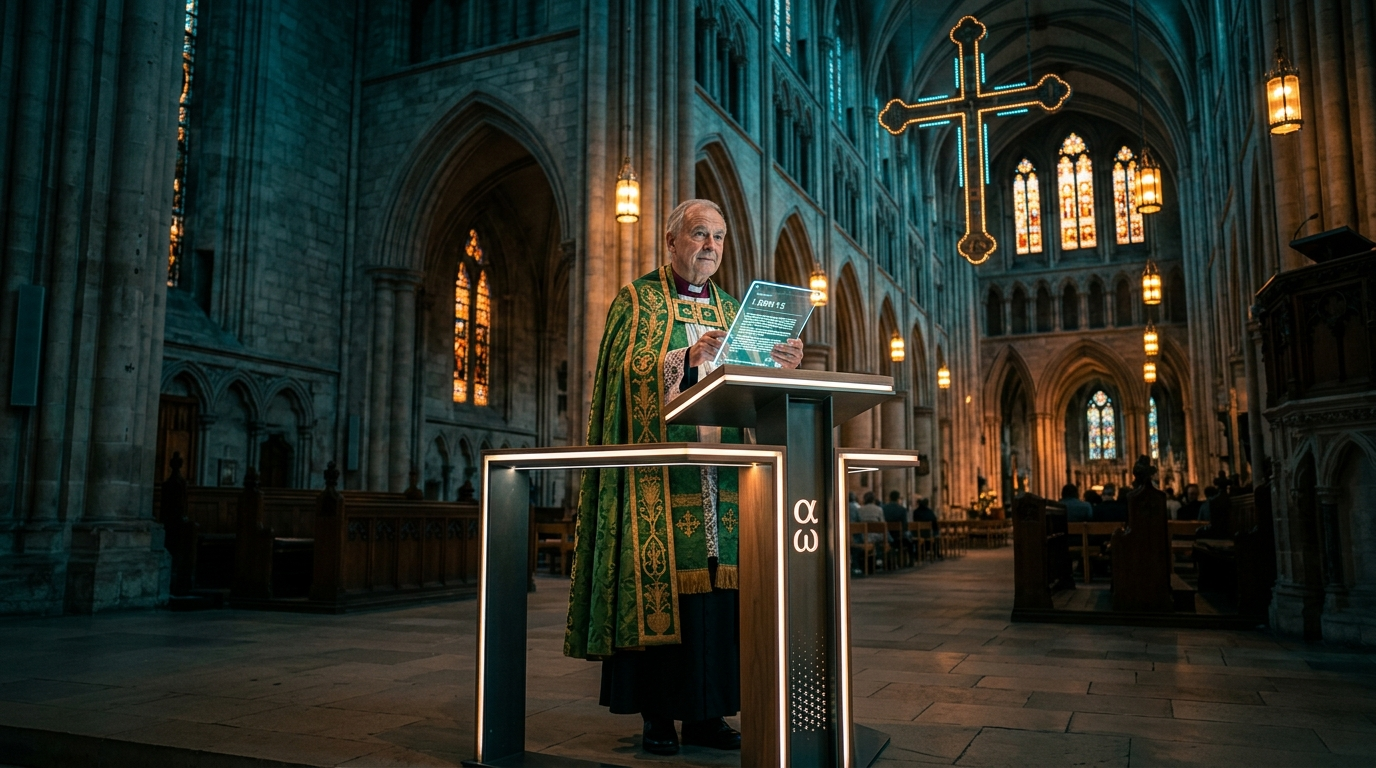
How Christians Can Navigate Politics with Biblical Wisdom
Part I: Start With Your Primary Citizenship in Christ 📜
Reframing Identity and Perspective
Believers belong to Christ first, then to any earthly nation. This foundational truth reframes politics from a source of ultimate hope to a tool for service.
- Seek First the Kingdom: Prioritizing God's Kingdom naturally orders all other concerns, including political ones.
- Matthew 6:33 (KJV): "But seek ye first the kingdom of God, and his righteousness; and all these things shall be added unto you."
- Identity in Christ, Not a Party: Political affiliations are secondary and temporary. Our true "conversation"—meaning citizenship or way of life—is in heaven.
- Philippians 3:20 (KJV): "For our conversation is in heaven; from whence also we look for the Saviour, the Lord Jesus Christ."
- Aim for the Fruit of the Spirit: Political presence should reflect spiritual maturity, characterized by love, peace, and longsuffering rather than worldly tactics of anger or manipulation.
- Galatians 5:22-23 (KJV): "But the fruit of the Spirit is love, joy, peace, longsuffering, gentleness, goodness, faith, meekness, temperance..."
Part II: God's Design for Government and Limits of Allegiance 🛡️
Honoring Authority Without Idolatry
Free 7-Day Journey
Go Deeper Into Scripture
7 cinematic devotionals delivered to your inbox — one story, one verse, one life-changing truth per day.
No spam. Unsubscribe anytime.
God ordained government for justice and order, but earthly authorities remain fallible.1 Christians must balance submission to authority with ultimate allegiance to God.
1. Honor Without Idolatry
Honoring authority involves respect and prayer, whereas idolatry gives ultimate trust to anything other than God.2
- Submit for the Lord's Sake: Submission to human authority serves God's purposes, but it is not absolute.3
- 1 Peter 2:13 (KJV): "Submit yourselves to every ordinance of man for the Lord's sake..."
- Practical Honor: This includes paying taxes honestly and praying regularly for leaders across all party lines.
2. Criteria for Civil Disobedience
Civil disobedience is the respectful refusal to obey laws that directly command sin or forbid obedience to God.4
- Acts 5:29 (KJV): "We ought to obey God rather than men."
| Criteria | Description |
|---|---|
| Clear Biblical Violation | The law contradicts explicit biblical commands. |
| Last Resort | All legal channels for change have been exhausted. |
| Nonviolent Approach | Methods must reflect Christian character and witness. |
| Willingness to Bear Consequences | Accepting legal penalties as part of faithful witness. |
Part III: Practice Wise Engagement With Scripture 🧠
The Role of Hermeneutics and Exegesis
Faithful political engagement requires careful biblical interpretation—drawing out the text's meaning rather than manipulating isolated verses.
- Read Passages in Context: Different genres (Law, Prophecy, Epistles) contribute unique perspectives on social engagement.
- Example: Micah 6:8 emphasizes the prophetic requirement to "do justly" and "love mercy".5
- Form Conscience With the Whole Counsel of God: A well-formed conscience draws from the entire testimony of Scripture, distinguishing between clear sin issues and matters of liberty.6
- Communicate with Humility and Love: Engagement should be "swift to hear" and "slow to speak".7
- Verify Facts: Bear truthful witness by checking claims before repeating them.
- Avoid Ad Hominem Attacks: Address ideas and policies rather than attacking individuals.8
- Prioritize People: Value relationships and Gospel witness over winning political arguments.9
Conclusion: Seeking the Peace of the City 🌟
Christian political engagement begins with intercession.10 Believers are called to seek the welfare of the communities they serve while guarding the unity of the church as a Gospel witness to a divided world.
Jeremiah 29:7 (KJV): "And seek the peace of the city... and pray unto the LORD for it..."
Did this article bless you? Share it!
Frequently Asked Questions
For Pastors & Church Leaders
Bring This Story to Life in Your Church
Cinematic sermon visuals, ready-to-use slides, and discussion guides — crafted for busy pastors who want depth without the hours.
Free 7-Day Journey
Walk With Jesus — Day by Day
7 cinematic devotionals on the life of Christ, delivered to your inbox. One story, one verse, one truth per day.
No spam. Unsubscribe anytime.