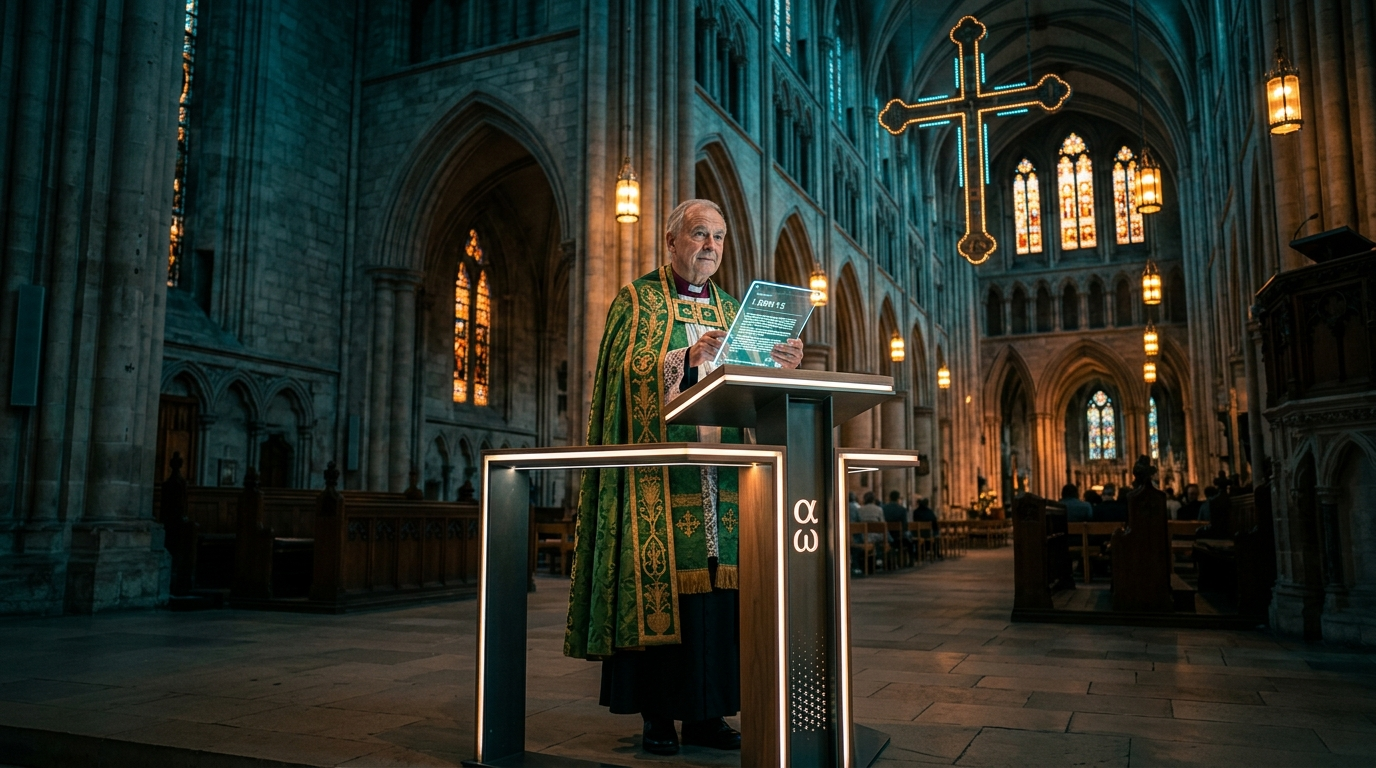
Definitive Guide to Navigating Christian Ministry Challenges
This comprehensive guide reveals how church history equips ministries to face today's challenges with biblical clarity, practical tools, and trustworthy resources. While modern leaders face secularization, declining attendance, and leadership burnout, these obstacles echo historical patterns that faithful Christians have successfully navigated before.
Part I: Why History Matters for Today's Ministry 📖
Strategic Advantages from the Past
Church history is the chronological narrative of the Church's life, leaders, councils, and mission.1 When ministries understand how previous generations handled doctrinal controversies and cultural shifts, they gain a "Filter of Truth" for today's complex environment.
- Doctrinal Stability: Historical theology examines how doctrines were clarified through ancient councils, providing a foundation that prevents being "tossed to and fro" by new ideas.2
- Proven Stewardship: With religious organizations representing a $159.8 billion U.S. sector, historical awareness informs responsible governance and durable strategies.
- Long-term Vision: As global Christianity is projected to surpass 3 billion by 2050, historical patterns provide the blueprint for sustainable training and growth.3
"Hebrews 13:7 (KJV): Remember them which have the rule over you, who have spoken unto you the word of God: whose faith follow, considering the end of their conversation."
Free 7-Day Journey
Go Deeper Into Scripture
7 cinematic devotionals delivered to your inbox — one story, one verse, one life-changing truth per day.
No spam. Unsubscribe anytime.
Part II: Modern Challenges and Their Historical Parallels ⚔️
There is Nothing New Under the Sun
Current ministry hurdles often mirror historical crises, offering tested solutions for modern application.
| Modern Challenge | Historical Parallel | Historical Solution |
|---|---|---|
| Declining Attendance | Post-Reformation spiritual lethargy | Pietist and Methodist revivals through intentional community rhythms. |
| Donor Volatility | Economic shifts in the Early Church | Transparent budgeting and diversified community engagement. |
| Polarization | Early Church theological confusion | The catechumenate system for distinguishing essential truth from opinion. |
| Leadership Burnout | Apostolic overload in the early church | The Acts 6 model of delegating practical tasks to focus on prayer and teaching. |
Part III: Clarifying Doctrine and Practice 🧠
Foundations for Effective Ministry
Historical study strengthens both orthodox belief and pastoral practice by revealing how ministry models emerged.
- Catechesis (Systematic Instruction): Derived from patristic models to bridge discipleship gaps.
- Diaconate Care (Organized Service): Modeled after medieval service to handle community needs.
- Word-Centered Worship: Drawing from Reformation preaching and hymnody to center the church on Scripture.
- Precise Language: The Nicene Creed (325/381 AD) provides biblically grounded language for the Trinity, protecting the church from contemporary doctrinal drift.4
Part IV: Guardrails for Orthodoxy 🛡️
Theological Triage Across Denominations
A simple framework enables ministries to maintain unity in essentials while allowing for charity in all things.
- First-Order Issues: Gospel-defining beliefs (e.g., the Trinity, Christ's deity, salvation by grace) that require total unity.
- Second-Order Issues: Matters such as church governance or sacraments that govern local practice but allow for cross-denominational fellowship.
- Third-Order Issues: Disputable matters where diversity of opinion is welcomed and enriches the church.
Conclusion: Building on a Time-Tested Foundation 🌟
Historical awareness builds a ministry that is not only theologically stable but also culturally discerning. By remembering those who spoke the Word of God before us, we can build a lasting impact that survives modern volatility.
Which historical era of the church do you find most inspiring for solving your current ministry challenges? Share your reflections below! 👇
Did this article bless you? Share it!
Frequently Asked Questions
For Pastors & Church Leaders
Bring This Story to Life in Your Church
Cinematic sermon visuals, ready-to-use slides, and discussion guides — crafted for busy pastors who want depth without the hours.
Free 7-Day Journey
Walk With Jesus — Day by Day
7 cinematic devotionals on the life of Christ, delivered to your inbox. One story, one verse, one truth per day.
No spam. Unsubscribe anytime.