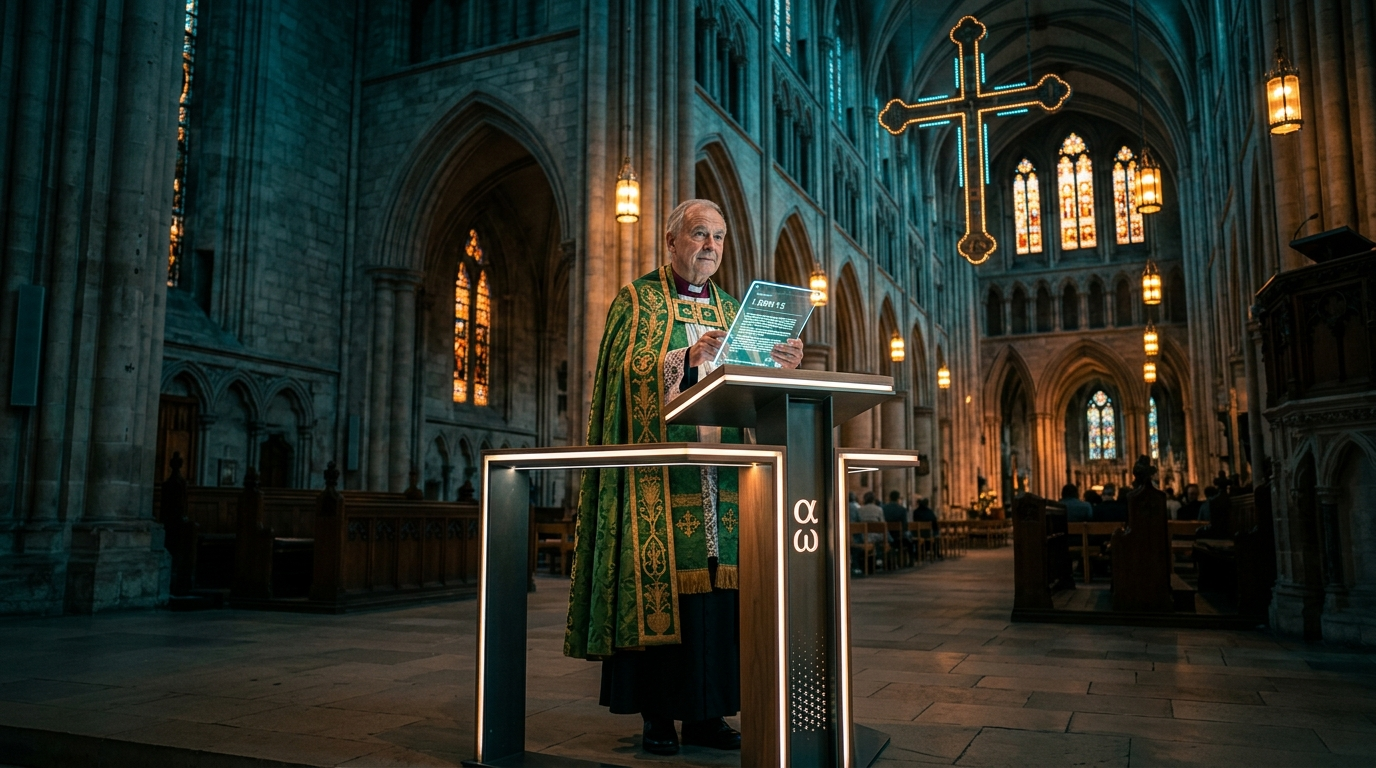
What Does "Godliness with Contentment Is Great Gain" Mean?
Many Christians struggle with a persistent sense of dissatisfaction—chasing the next promotion, possession, or word of praise, yet still feeling internally empty. This cycle reveals a critical need to understand why the Bible emphasizes that "godliness with contentment is great gain " (1 Timothy 6:6). This simple phrase provides a profound "Filter of Truth" for lasting joy, challenging us to redefine wealth through a Christ-centered lens rather than a cultural one.
Part I: What Is Biblical Contentment? 📜
In the New Testament, "contentment" is derived from the Greek word autarkēs , meaning self-sufficiency. However, unlike worldly self-reliance, biblical contentment springs from an unwavering trust in God’s unchanging character.
1.1 Rooted in Christ’s Sufficiency
Contentment is not a natural temperament but a learned discipline. Even while facing imprisonment, the Apostle Paul discovered the secret to internal peace.
"Philippians 4:11–13 (KJV): Not that I speak in respect of want: for I have learned… both to be full and to be hungry, both to abound and to suffer need. I can do all things through Christ which strengtheneth me."
1.2 Worldly vs. Godly Contentment
It is essential to distinguish between where we anchor our satisfaction:
Free 7-Day Journey
Go Deeper Into Scripture
7 cinematic devotionals delivered to your inbox — one story, one verse, one life-changing truth per day.
No spam. Unsubscribe anytime.
- Worldly Contentment : Dependent on external factors such as job security, social approval, or physical health.
- Godly Contentment : Anchored in a relationship with Jesus, remains secure regardless of life's fluctuations.
Part II: Why Is Godliness Paired with Contentment? ⚖️
The coupling of godliness (eusebeia) and contentment (autarkēs) signals that true spiritual maturity integrates vertical devotion with horizontal heart-peace.
2.1 The Vertical Dimension: Godliness 🌟
In a Christian context, godliness encompasses personal holiness, worshipful living (Romans 12:1), and aligning daily conduct with biblical commands. It is the orientation of the heart, mind, and body toward God.
2.2 The Horizontal Peace: Contentment 🌿
Contentment is the horizontal outcome of trusting God’s promises. It manifests as:
- Resilience : Remaining calm amid trials, knowing God sustains you (Psalm 55:22).
- Gratitude : Recognizing current gifts rather than focusing on perceived deficits.
- Freedom : Liberation from the tyranny of comparison and covetousness.
2.3 Theological Intersection
When these two converge, the believer experiences holistic well-being. Godliness secures our eternal standing, while contentment secures our present joy. As Augustine famously noted, our restless hearts find rest only when they are anchored in divine communion.
Part III: Practical Steps to Achieve Godly Contentment 🏗️
Cultivating this "great gain" requires intentionality and spiritual discipline.
- Daily Gratitude Practice : Begin each day by listing three specific blessings. Tracking answered prayers in a journal reinforces a focus on unexpected grace.
- Immersion in Scripture : Memorize key passages such as Psalm 23, Philippians 4:11–13, and 1 Timothy 6:6–8. These verses counter false narratives of "lack".
- Simplicity Audits : Periodically evaluate your finances and possessions. Ask: "Does this add eternal value?". Adopting a budget that prioritizes generosity can decrease anxiety and increase joy.
- Community Accountability : Join a small group to share struggles with discontentment. Confession in a safe community helps dismantle pride and foster humility.
- Sacrificial Service : Engage in regular acts of hospitality or mentoring. Generosity breeds contentment because it reinforces trust in God's provision.
Part IV: Real-Life Stories of Great Gain 📖
- Hudson Taylor : The founder of the China Inland Mission practiced radical dependence on prayer rather than fundraising, seeing God provide exact supplies during times of need.
- Corrie ten Boom : Even in the Ravensbrück concentration camp, she found contentment through communal prayer and a vision for future service.
- Brother Lawrence : A 17th-century monk who learned to find God's presence in mundane kitchen tasks, proving that godliness transforms ordinary work.
- The Carpenter Pastor : A modern bivocational pastor who views every board cut as an act of worship, integrating secular skills with a sacred calling.
Conclusion: Redefining Success 🌟
"Godliness with contentment is great gain" flips the cultural script on success, redirecting our hearts toward spiritual riches that no thief can steal. By anchoring our satisfaction in God's sufficiency, we embody a truth that surpasses material wealth.
How has the Holy Spirit invited you to practice contentment this week? Share your journey in the comments below! 💬
Did this article bless you? Share it!
Frequently Asked Questions
For Pastors & Church Leaders
Bring This Story to Life in Your Church
Cinematic sermon visuals, ready-to-use slides, and discussion guides — crafted for busy pastors who want depth without the hours.
Free 7-Day Journey
Walk With Jesus — Day by Day
7 cinematic devotionals on the life of Christ, delivered to your inbox. One story, one verse, one truth per day.
No spam. Unsubscribe anytime.