The Best Sermon Openers for Old Testament Narratives: Hook Your Congregation in the First 60 Seconds
"""The Best Sermon Openers for Old Testament Narratives: Hook Your Congregation in the First 60 Seconds
Key Takeaways:
- Effective sermon openers are crucial for engaging your congregation from the start.
- Old Testament narratives offer rich, dramatic material for compelling introductions.
- Techniques include vivid storytelling, surprising questions, relatable modern parallels, and setting the historical stage.
- Connecting your opener to the main theme and the congregation's experience is vital.
- The 'God in the Fire' sermon kit provides resources for preaching Daniel 3, a powerful Old Testament narrative.*
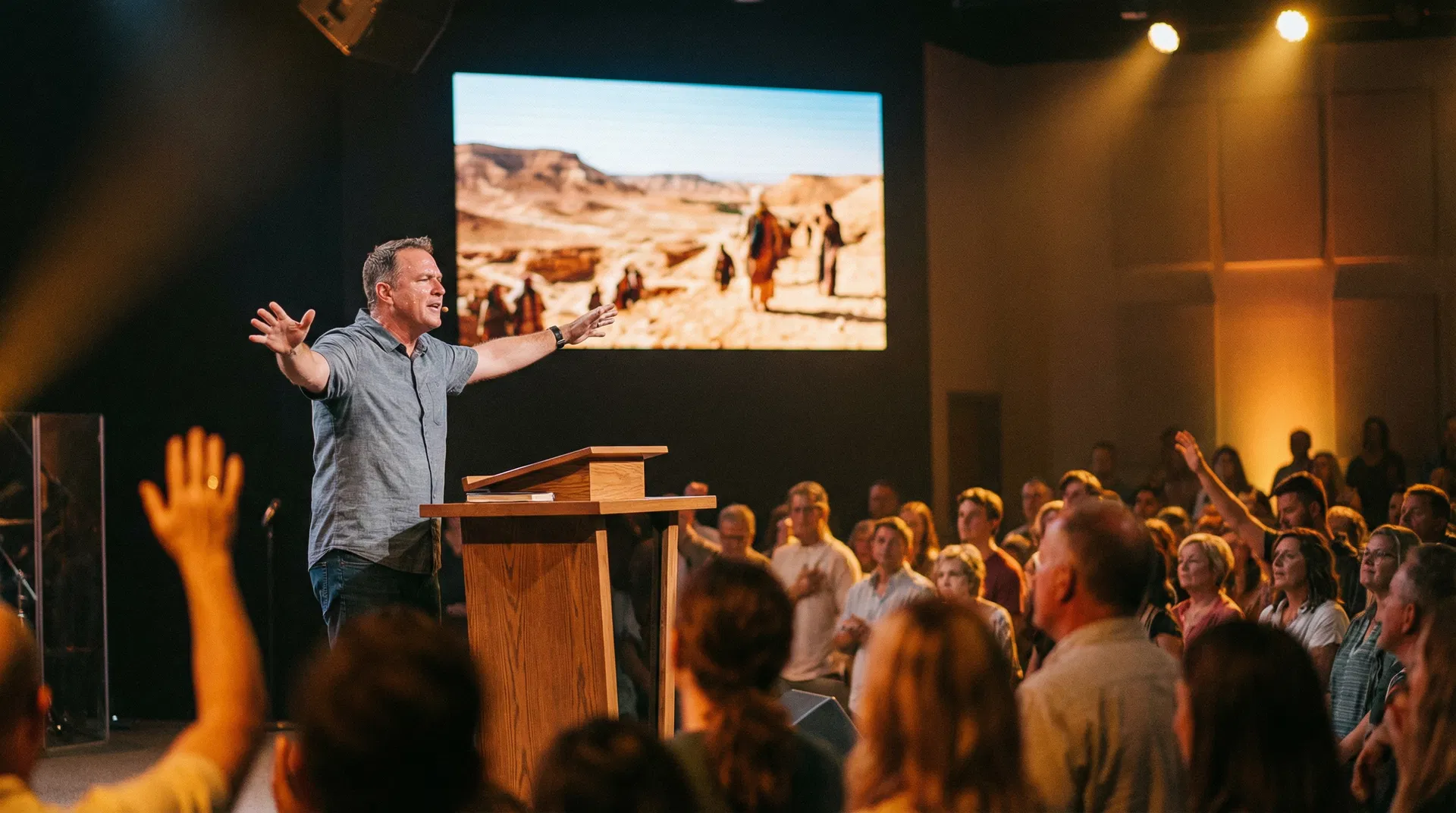
As pastors and church leaders, we stand before our congregations each week with a sacred trust: to faithfully proclaim God's Word. We pour over texts, wrestle with theology, and pray for divine inspiration. Yet, all that preparation can sometimes feel lost if we don't capture the hearts and minds of our listeners in those critical opening moments. This is especially true when delving into the ancient, often unfamiliar, world of Old Testament narratives.
Crafting compelling sermon openers for Old Testament passages is an art form. It's about building a bridge from the ancient world to the modern pew, inviting people into a story that, while thousands of years old, still speaks profound truths about God and humanity. The first 60 seconds of your sermon are not just an introduction; they are an invitation, a promise, and a crucial opportunity to establish relevance and intrigue. Fail here, and you risk losing your audience before you've even reached your main point.
Why the First 60 Seconds Matter So Much
In our fast-paced, information-saturated world, attention spans are shorter than ever. People are accustomed to instant gratification and compelling narratives from movies, podcasts, and social media. When they come to church, they bring those same expectations, consciously or unconsciously. Your sermon opener isn't just competing with their to-do list; it's competing with every other compelling story they encountered that week.
An effective opener does several things:
- Grabs Attention: It cuts through distractions and signals that something important is about to be shared.
- Establishes Relevance: It answers the unspoken question, ‘Why should I listen to this?’
- Creates Anticipation: It makes people curious about what comes next.
- Sets the Tone: It prepares the congregation for the message, whether it’s one of challenge, comfort, or celebration.
For Old Testament narratives, this initial hook is even more vital. These stories can feel distant, culturally foreign, or even morally perplexing without proper framing. A powerful opener can immediately transport your listeners into the world of the text, making ancient events feel fresh and urgent.
Practical Approaches to Crafting Engaging Sermon Openers for Old Testament Narratives
Let’s explore some proven strategies for creating compelling sermon openers Old Testament passages that will captivate your congregation from the very first words.
1. The Vivid Storytelling Hook: Re-entering the Narrative
Free 7-Day Journey
Go Deeper Into Scripture
7 cinematic devotionals delivered to your inbox — one story, one verse, one life-changing truth per day.
No spam. Unsubscribe anytime.
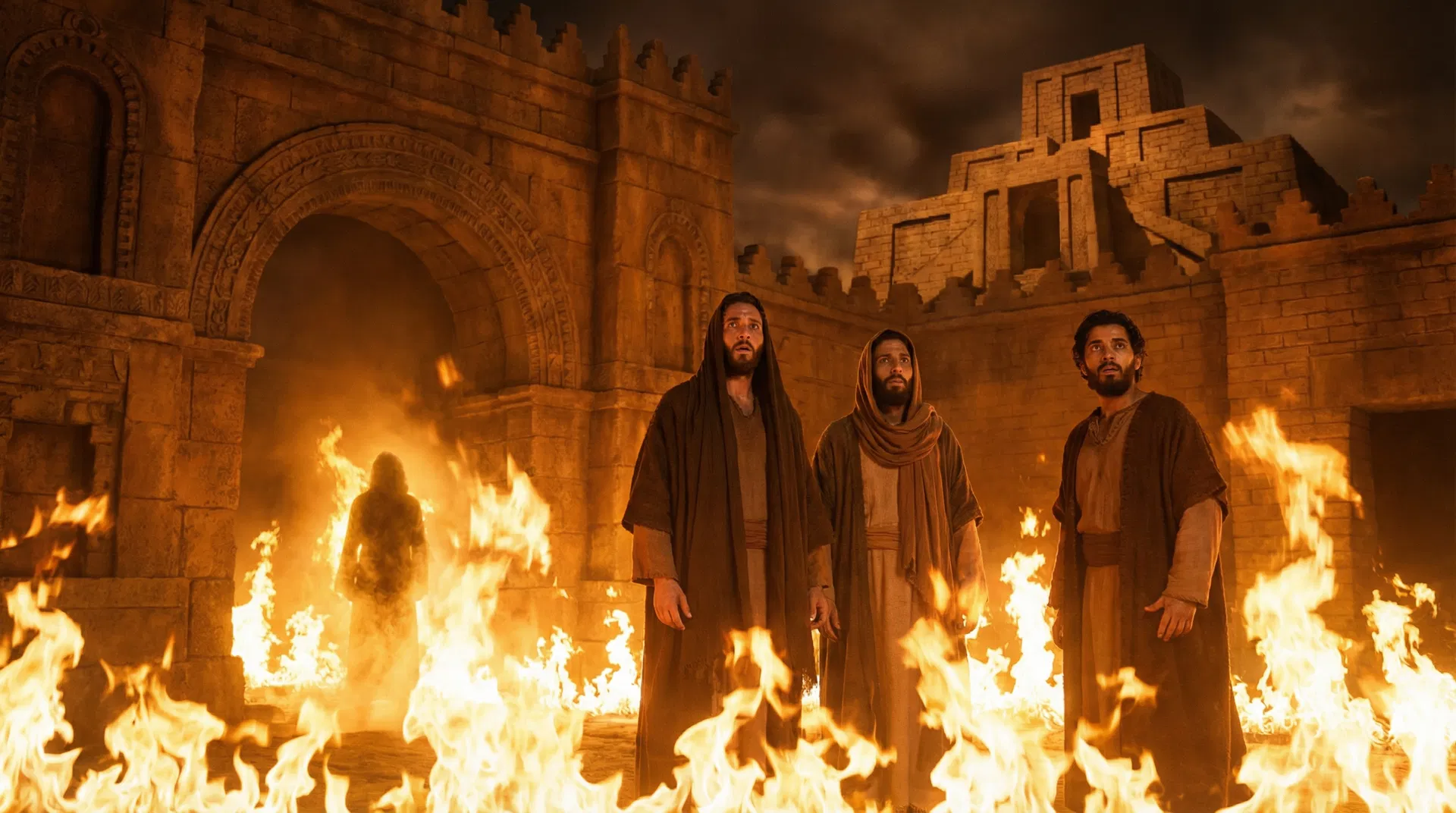
One of the most potent ways to open a sermon on an Old Testament narrative is to immediately plunge your listeners into the story itself, but with a twist. Instead of starting with, Good morning, everyone, today we’re looking at Daniel 3, let’s try to make the story come alive. Imagine the scene: the scorching sun beating down on the plains of Dura. The air is thick with the smell of burning incense and the murmur of thousands of voices. Suddenly, a deafening blast of trumpets, flutes, and lyres pierces the air. All eyes turn to the colossal golden image, towering 90 feet into the sky. And then, the chilling decree: ‘Whoever does not fall down and worship shall immediately be cast into a burning fiery furnace.’ (Daniel 3:6).
This kind of opener doesn't just tell the story; it shows it. It uses sensory details, builds tension, and immediately places the listener within the narrative. You’re not just talking about Daniel 3; you’re inviting them to experience it. This approach works exceptionally well for dramatic narratives like the crossing of the Red Sea, David and Goliath, or Elijah on Mount Carmel.
Tips for the Vivid Storytelling Hook:
- Use descriptive language: Engage all five senses. What did it look, sound, smell, feel, or even taste like?
- Build suspense: Don’t give away the ending immediately. Hint at the conflict or the stakes.
- Focus on a specific moment: Choose a pivotal scene and zoom in on it.
- Use rhetorical questions: “What would you do in that moment?” can draw listeners in.
2. The Surprising Question Hook: Challenging Assumptions
Another powerful way to begin is with a question that challenges a common assumption, introduces a paradox, or highlights a universal human experience found within the Old Testament narrative. This immediately piques curiosity and encourages active listening.
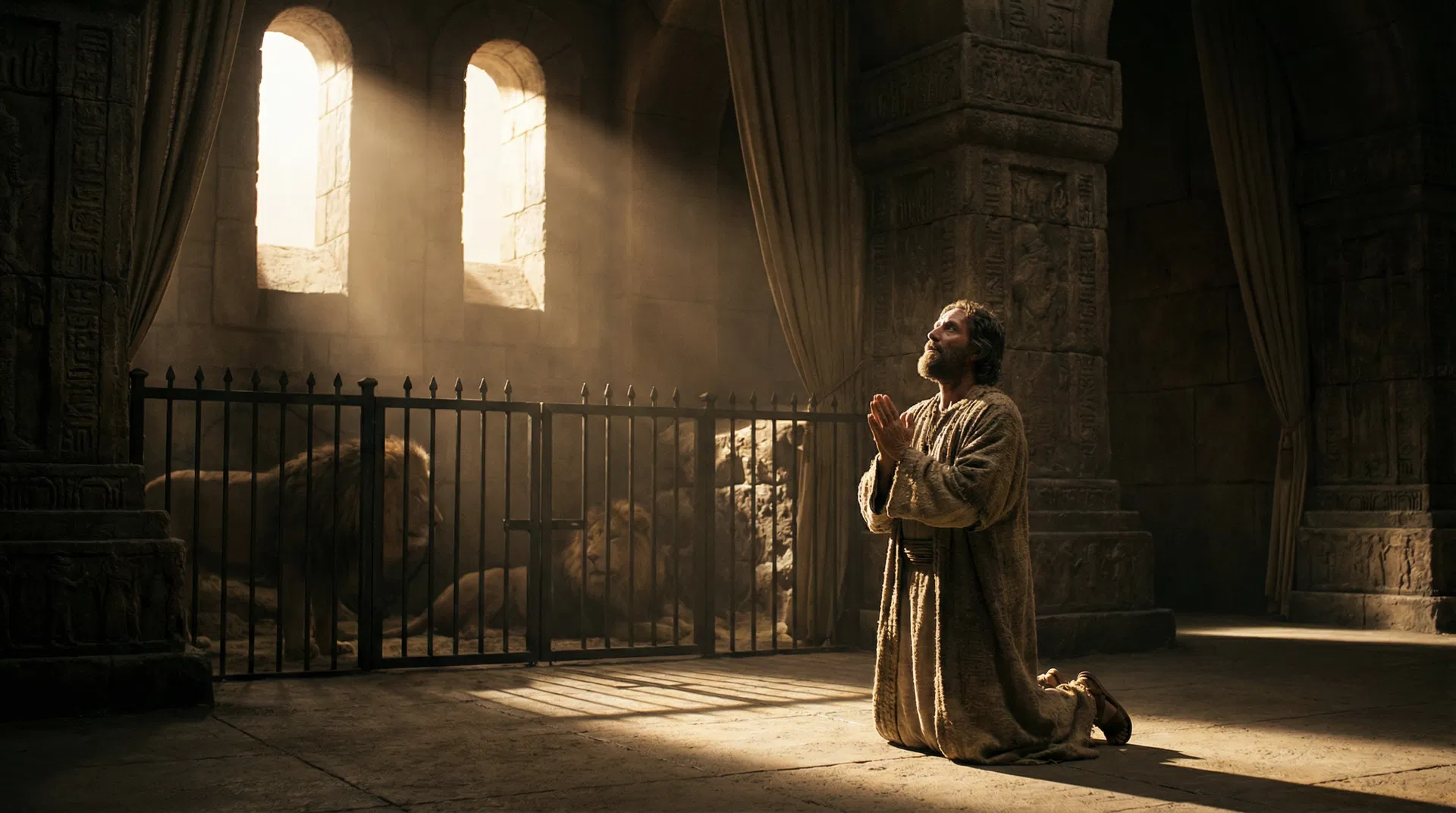
For instance, when preaching on Jonah, you might start with: “Have you ever been so determined to avoid God’s will that you’d rather die than obey?” Or for the story of Abraham and Isaac: “What if God asked you to sacrifice your most cherished dream, the very promise He had given you?”
These questions don’t just introduce the text; they introduce the tension within the text and connect it directly to the listener’s potential experiences or moral dilemmas. They force people to consider their own hearts and minds in light of the ancient story.
Tips for the Surprising Question Hook:
- Make it thought-provoking: The question shouldn’t have an obvious or easy answer.
- Connect to universal themes: Sin, obedience, doubt, faith, suffering, joy – these are timeless.
- Avoid leading questions: The goal is to open up discussion, not shut it down.
- Be concise: A good question is short and impactful.
3. The Modern Parallel Hook: Bridging the Time Gap
Sometimes, the best way to introduce an ancient story is by starting with a contemporary situation that mirrors its core theme or conflict. This immediately establishes relevance and helps your congregation see themselves in the narrative.
Preaching on Joseph and his brothers? You might begin with a story about sibling rivalry in a modern family, or a workplace betrayal. For the Exodus narrative, you could start with a reflection on modern forms of oppression or the longing for freedom and justice.
This approach works because it grounds the abstract or historical in the concrete and familiar. Once you’ve established that common ground, you can then transition to the Old Testament narrative, showing how God’s actions and character in that ancient context still speak to our present realities.
Tips for the Modern Parallel Hook:
- Choose a relatable scenario: Something your congregation can easily understand and identify with.
- Ensure the parallel is genuine: Don’t force a connection that isn’t truly there.
- Keep it brief: The parallel is a bridge, not the destination.
- Clearly transition to the biblical text: Make it obvious when you’re moving from the modern example to the ancient story.
4. The Historical/Cultural Context Hook: Setting the Stage
For some Old Testament narratives, the sheer foreignness of the ancient world can be a barrier. An effective opener can be to briefly paint a picture of the historical or cultural context, helping your listeners understand the stakes and significance of the story.
When preaching on the book of Ruth, you might begin by describing the precarious position of a widow in ancient Israel, without land, family, or protection. For the book of Judges, you could set the scene by explaining the chaotic, lawless period after Joshua, where “everyone did what was right in his own eyes.”
This isn’t about delivering a dry history lesson, but about providing just enough context to make the narrative come alive and highlight the extraordinary nature of God’s intervention or the characters’ faith. It helps your congregation appreciate the challenges faced by the biblical figures and the radical nature of God’s covenant love.
Tips for the Historical/Cultural Context Hook:
- Be selective: Only provide the most essential information needed to understand the story’s immediate context.
- Make it vivid: Use evocative language to describe the setting, customs, or challenges.
- Connect it to the narrative’s tension: Show how the context raises the stakes of the story.
- Avoid overwhelming with details: The goal is clarity, not exhaustive scholarship.
Weaving in the Target Keyword: 'sermon openers Old Testament'
Throughout this article, we’ve naturally integrated the phrase ‘sermon openers Old Testament’ and its variations. This isn’t just for SEO; it’s because these phrases genuinely reflect the core topic and the needs of pastors searching for practical guidance. By using it in headings and key paragraphs, we ensure that those looking for this specific help will find this resource valuable.
Bringing It All Together: The Power of a Strong Start
No matter which approach you choose, the goal of your sermon opener is the same: to invite your congregation into the sacred space of God’s Word with anticipation and engagement. The Old Testament narratives are not dusty relics; they are living, breathing stories that reveal the character of God and the human condition in profound ways. Your opener is the gateway to that revelation.
Invest time in crafting these crucial first moments. Practice them. Get feedback. A powerful beginning doesn’t just set the stage for your sermon; it sets the stage for a transformative encounter with God.
A Resource for Preaching Old Testament Narratives
If you’re preparing to preach from a powerful Old Testament narrative like Daniel 3, and you’re looking for comprehensive resources to help you craft an impactful sermon from start to finish, we’ve put together a complete kit. Our God in the Fire Sermon Kit provides cinematic media, motion backgrounds, sermon outlines, verse slides, and more, designed to help you bring the story of Shadrach, Meshach, and Abednego to life and deliver a message of faith and courage in the face of adversity.
Further Reading from BibleWithLife.com
- Crafting Compelling Sermon Illustrations
- Understanding the Power of Biblical Narrative
- Why Visuals Matter in Worship
"""
Did this article bless you? Share it!
For Pastors & Church Leaders
Bring This Story to Life in Your Church
Cinematic sermon visuals, ready-to-use slides, and discussion guides — crafted for busy pastors who want depth without the hours.
Free 7-Day Journey
Walk With Jesus — Day by Day
7 cinematic devotionals on the life of Christ, delivered to your inbox. One story, one verse, one truth per day.
No spam. Unsubscribe anytime.